
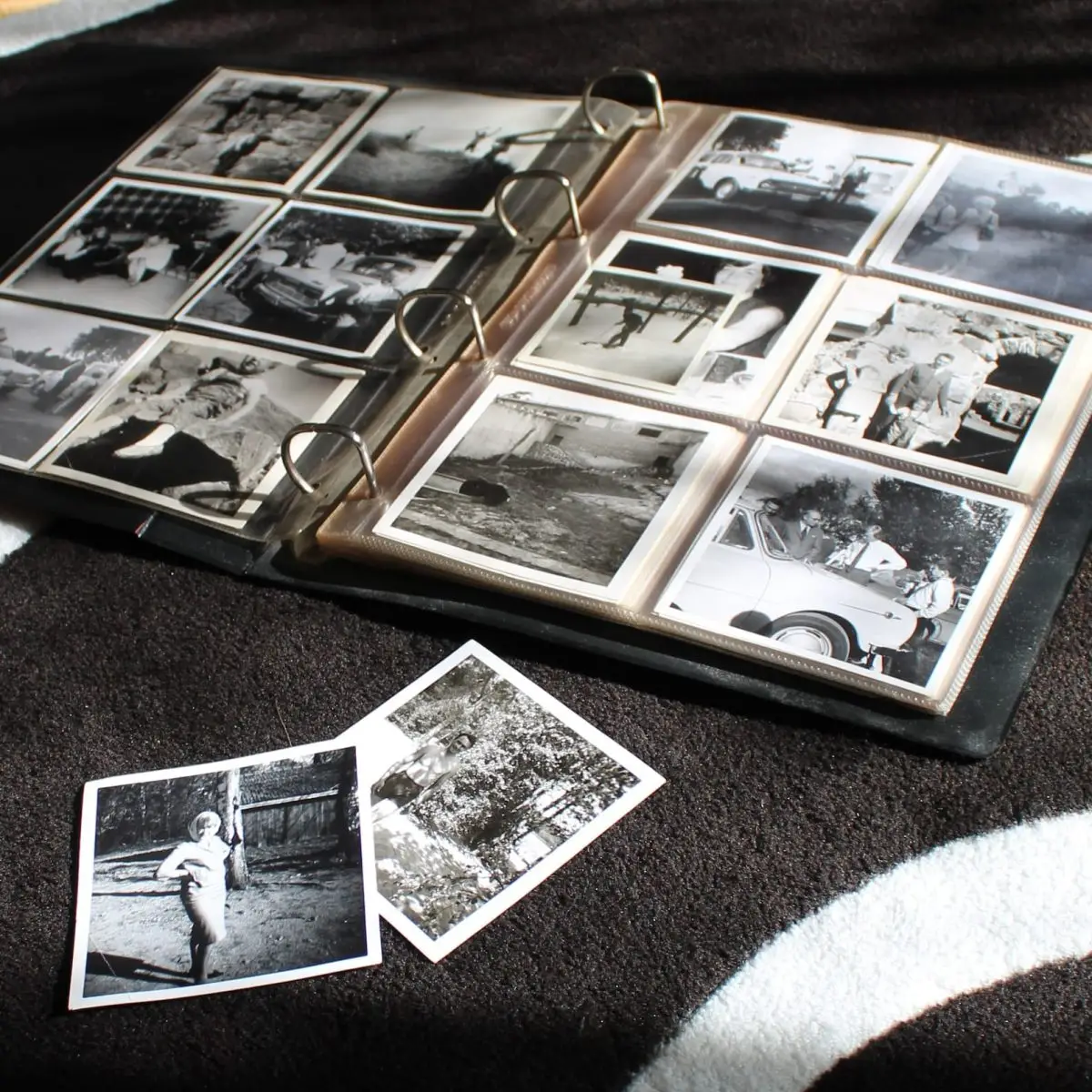
Everything You Need to Know About Restoring Old Photos
Old photographs are more than just pictures. They preserve family history, treasured memories, special milestones, and connections to past generations. Unfortunately, over time photographs can become faded, torn, scratched, creased, stained, water damaged, mould damaged, or discoloured.
At Photo Restoration Rescue, we help families restore old photos, repair damaged photographs, colourise black-and-white pictures, digitise collections, and preserve irreplaceable memories for future generations. This guide explains what can be repaired, how to protect an original before it deteriorates further, and how to make thoughtful decisions about the result you want.
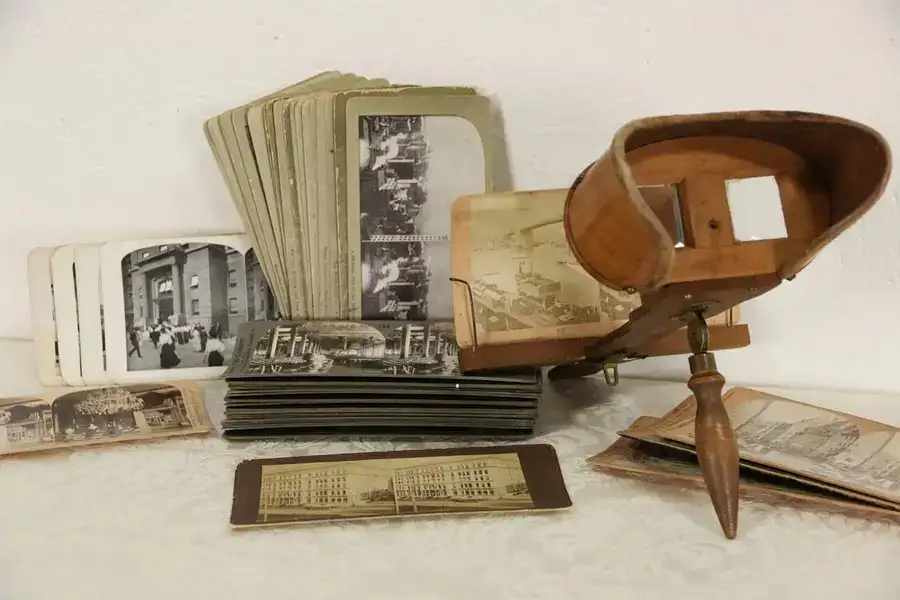
What Photo Restoration Can Help With
Whether the damage is from time, handling, sunlight, humidity, or water exposure, professional restoration can often recover remarkable detail. The aim is not to make history look artificial; it is to make the photograph easier to see, share, and preserve.
Common Damage
- Fading and colour loss
- Tears, creases, and folds
- Scratches, dust, and scuffs
- Water damage and stains
Preservation Services
- Black-and-white colourisation
- Photo scanning and digitisation
- Family photo archive preservation
- Restoration for heirloom images
How Professional Photo Restoration Works
Restoration is a careful digital process carried out from a copy of your photograph. The original is not altered, and each decision is guided by the surviving detail in the image.
Understand the photograph
Damage, size, print type, and missing detail help determine what is realistic to restore.
Create a working copy
A high-resolution scan captures as much information as possible for detailed retouching.
Repair with restraint
Scratches, tears, stains, fading, and distracting marks are repaired while keeping the image believable.
Deliver for the future
A restored digital file can be printed, shared with family, and backed up for safekeeping.
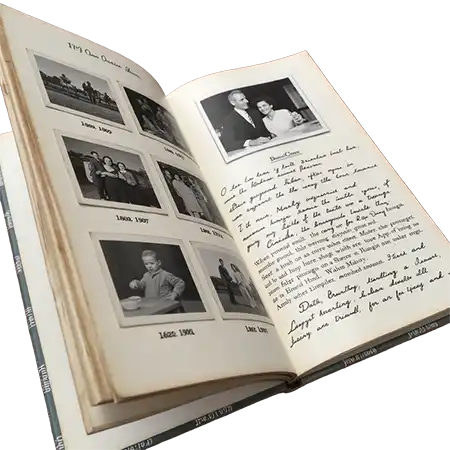
If a Photograph Is Damaged, Start Here
The first priority is to avoid creating more damage. A quick, careful response can protect details that later make restoration possible.
Do
- Handle the photo by its edges with clean, dry hands
- Keep it flat and away from direct sunlight
- Separate photographs with clean, acid-free paper where possible
- Arrange a high-quality scan before attempting any digital repair
Avoid
- Using tape, glue, household cleaners, or adhesive albums
- Rubbing mould, dirt, or stuck photographs apart
- Leaving water-damaged prints in damp, sealed containers
- Scanning a fragile image repeatedly when one good scan will do
A note on water and mould damage
Water and mould can continue to affect a print. Keep the original dry, cool, and separated from other photographs. The visible damage can often be improved digitally, but physical preservation of the original matters just as much.
Colourisation
Black-and-white photographs can often be digitally colourised to create a realistic colour version. When reference information is available, such as clothing colours, uniforms, or location details, the result can be especially accurate.
Before & After Restorations
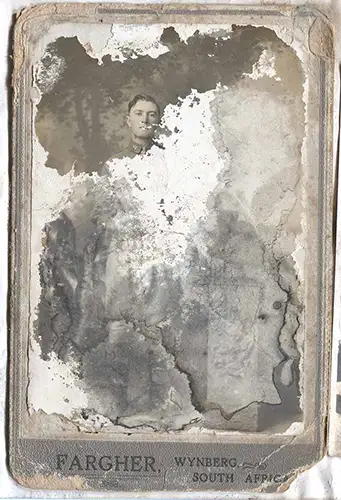
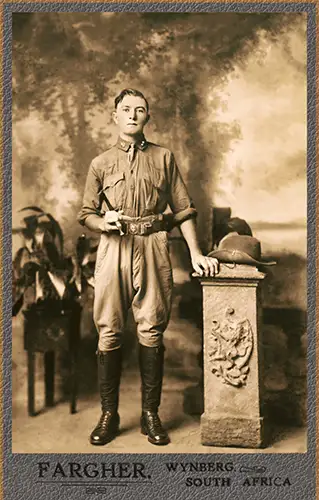
A simple comparison can show how much detail, clarity, and character can be brought back through careful restoration. Results depend on what remains in the original: restoration can improve and reconstruct, but it cannot recover detail that was never captured or has been completely lost.
Scanning and Digital Files
Why digitise first?
Digitisation creates a preservation copy and gives restoration work a stable, detailed source. It also means an heirloom photo can be shared without repeatedly handling the original.
What makes a useful scan?
Scan at the highest practical resolution, avoid filters or automatic colour correction, and keep the file in its original format. For fragile, small, or unusually valuable photographs, professional scanning may capture more usable detail.
How to Prepare for a Photo Restoration Quote
A useful quote begins with a clear look at the photograph and a shared understanding of what matters most to you. These details help us give practical guidance from the start.
1. Show the whole image
Provide a clear, well-lit photo or high-resolution scan of the full original, including damaged edges, stains, and faded areas.
2. Share its story
Tell us whether the photograph is a wedding portrait, military image, family group, memorial photo, or another important heirloom. Context can guide careful reconstruction and colourisation.
3. Choose the outcome
Let us know whether you need a digital preservation file, a print-ready restoration, colourisation, enlargement, or a combination of these.
Questions People Ask Before Restoring a Photo
The exact outcome, cost, and timing vary by photograph. These answers provide a practical starting point before you request an assessment.
Can a very old or badly damaged photo still be restored?
Is restoration done by hand or with AI?
Can black-and-white photos be colourised?
What affects the price and turnaround time?
The best time to restore a photo is before it becomes harder to save
Even if you are not ready to print or frame it, creating a high-quality digital copy now protects a family image against accidents, further fading, and loss. One restored photograph can become a shared record for an entire family.